
Loading export cartons into a sea container: 7 practical tips
A sea container is a fixed envelope of space and weight — whether your cartons arrive square or crushed is largely decided before the doors close. These seven loading habits, from payload maths to flute direction, protect garment shipments all the way from the loading bay in Bangladesh to your buyer's distribution centre.
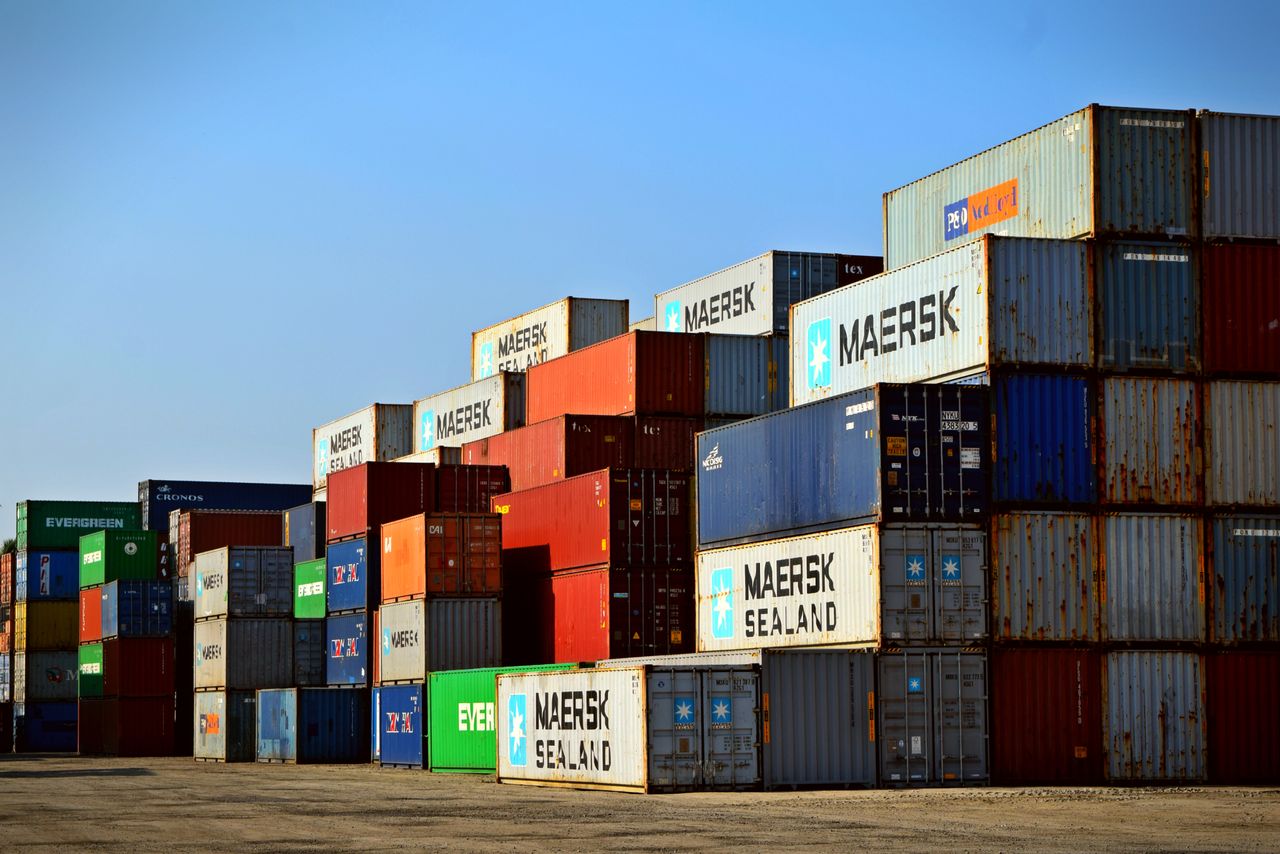
Do garment shipments cube out or weigh out?
Every container has two ceilings. The first is volume: a standard 40-foot intermodal container offers roughly 67 m³ of internal space, a 40-foot high-cube around 76 m³, and a 20-foot unit about 33 m³. The second is payload — the legal cargo weight, which for most units sits in the high twenties of tonnes. Garments are light for their bulk, so apparel shipments almost always cube out (run out of space) long before they weigh out. That makes carton dimensions, not weight, your main cost lever: a centimetre saved on a master carton repeats across every tier of every container. Before you book space, run your carton size through the container-fit calculator on our free tools page to estimate cartons per tier and per box, and confirm the stated payload of the specific unit with your carrier. The World Shipping Council publishes useful reference material on container types and how the liner industry operates.
Why does carton orientation change stack strength?
A corrugated box carries load down its vertical panels, and most of that strength sits within a few centimetres of each corner. Stack cartons in clean columns — corner over corner — and the weight travels straight down the strongest path. Offset the tiers like brickwork and the load lands mid-panel, where the box is weakest, sacrificing a meaningful share of compression strength. Flute direction matters for the same reason: loaded the right way up, the flutes stand vertical like thousands of tiny columns; tipped on its side, the same carton loses most of its stacking ability. And remember the bottom tier holds everything above it for weeks at sea, in heat and humidity that slowly soften the board — which is why strength targets carry a safety factor, as explained in our guide to bursting strength vs ECT.
What are the seven loading tips?
1. Plan the load before the truck arrives
Sketch the floor plan: how many cartons per tier, how many tiers, which way each row faces. If the shipment mixes carton sizes, group same-footprint cartons into zones rather than scattering them. Confirm the stack height clears the door opening — a tier that fits the interior height but not the doorway gets restacked on the spot, on someone's overtime.
2. Inspect the container before loading
Reject units with damp floors, patched holes or a musty smell. Step inside, pull the doors almost shut and look for pinholes of daylight; where light enters, water follows. A clean, dry, watertight container is the cheapest cargo insurance available.
3. Column-stack with corners aligned
Place each carton squarely on the one below so the corners line up through the full height of the stack. Column stacking preserves the most compression strength; interlocking tiers trades strength for a stability you can get more safely from bracing and void fill.
4. Keep cartons the right way up
Print orientation marks on the carton and load by them. On its side, a carton's flutes run horizontally and its stacking strength collapses. The same rule applies in the warehouse before loading day.
5. Match board strength to position in the stack
A bottom-tier carton may carry ten or more cartons' weight for the whole voyage. If the contents are heavy, specify a stronger board for the order — or move to a full-overlap (FOL) carton, whose doubled flaps add stacking strength and edge protection exactly where container loads need it.
6. Fill voids and brace the last rows
Gaps let the stack shift, and a shifting stack grinds corners away with every swell. Fill side and top voids with corrugated offcuts or paper dunnage, and brace the final rows at the doors so nothing leans on the locking bars when they open.
7. Load dry and manage moisture
Never load cartons that have stood in rain or on a humid open dock. Temperature swings at sea condense moisture inside the container, so include desiccant in the plan for long or monsoon-season routes, and keep a small clearance below the roof, where condensation forms first.
How do you know the bottom carton will survive?
Work backwards from the stack: contents weight, cartons above, weeks in transit, plus a safety factor for humidity. That calculation sets the edge-crush or bursting-strength target the board must meet — and it is a conversation worth having before artwork approval, not after a claim. As a corrugated box manufacturer in Chittagong, minutes from the port that handles most of Bangladesh's garment exports, we engineer master cartons against the real container journey, not just the spec sheet.
Loading a shipment this season?
Send your carton spec and stack plan — we'll recommend the right board and quote within 24 hours.